Craft & Heritage
From Wood to Wonder
A single nesting doll set passes through eighteen steps and up to three weeks of work before it leaves the workshop.
The Making Process
Russian nesting dolls are typically made from wood, with each doll consisting of several sections that can be separated from one another. The wood — most often linden, birch, or alder — is carefully selected for its even grain and cut into sections, then turned on a lathe to create the desired shape.
The dolls are then sanded until perfectly smooth and painted by hand, with intricate details and patterns added to the surface using fine brushes. The smallest doll is usually left unpainted and may have a flat bottom so that it can stand upright.
The dolls are then assembled, with the smallest one fitting inside the next larger doll, and so on. The result is a set of dolls that can be nested inside one another, with each one becoming progressively larger. A single set can take up to three weeks to complete.
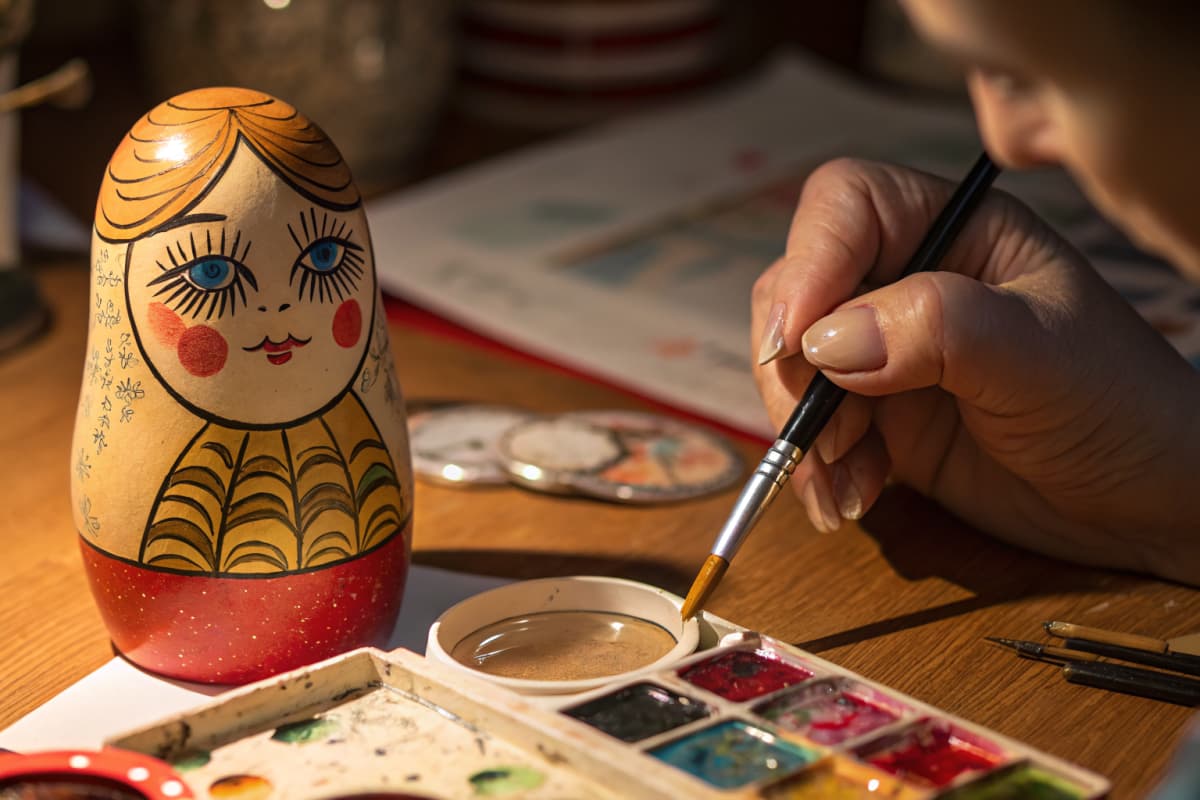
The 1890 Origin
Nesting dolls have a rich history dating back to the late 19th century in Russia. The first set was created in 1890 by woodworker Vasily Zvyozdochkin and painter Sergey Malyutin, inspired by a Japanese nesting doll they encountered in a Moscow shop.
The original set consisted of eight dolls, with the largest representing a plump, rosy-cheeked peasant girl, and each subsequent doll fitting snugly inside the one before it. They named her “matryoshka” after the popular Russian name Matriona — a name associated with a strong, round-figured woman.
Within a decade, workshops from Sergiev Posad to Semyonov were producing their own regional variations — each developing distinct palettes, brushwork, and subject matter that persist to this day.
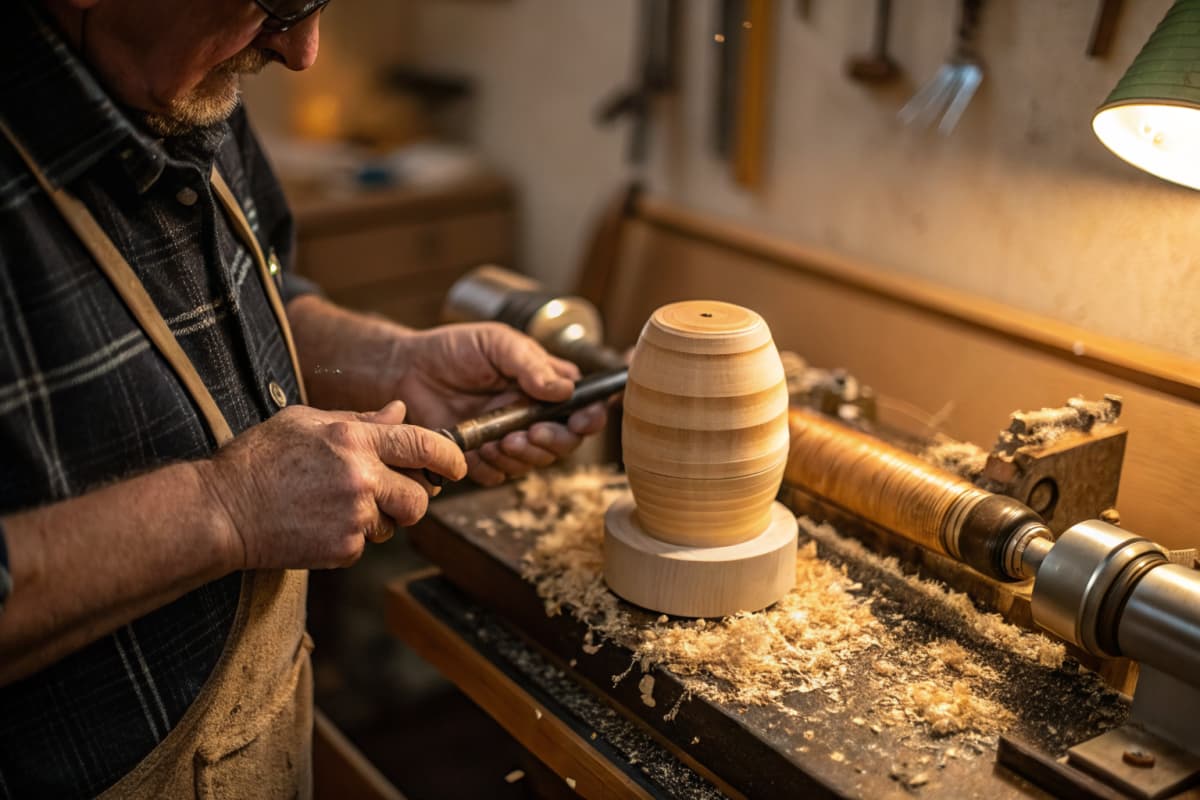
What Gets Painted — and Why
Russian nesting dolls are famous for their unique design, with each doll fitting perfectly inside the next. The dolls are traditionally decorated with intricate and colorful patterns, often featuring Russian folk art motifs, floral designs, and other elaborate illustrations.
The outermost doll usually depicts a woman in traditional Russian dress, but the inner dolls may feature animals, fairy tale characters, or even famous figures from history. The characters depicted can vary widely depending on the artist's imagination and the intended audience. Some sets even tell a story or represent a specific theme, such as a fairy tale or historical event.
The selection of characters is often based on a theme or story, and the number of dolls in the set determines how many characters can be included. The artisan may choose to depict traditional Russian folk tales, famous historical figures, or even popular modern-day characters. The design process involves sketching the characters on the doll, then using a fine brush to paint the intricate details by hand. The end result is a beautiful and unique work of art that tells a story through its characters.
Matte vs. Polished
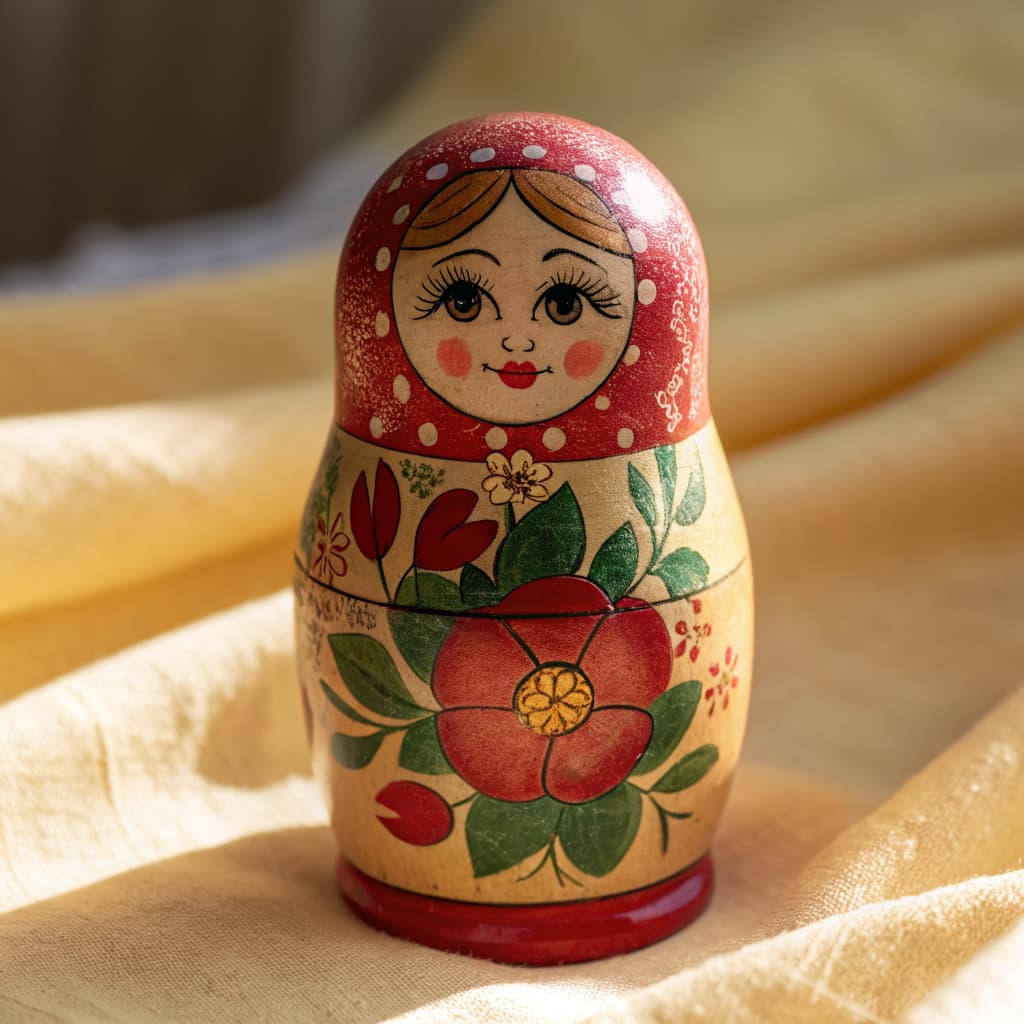
Matte Finish
Matte finishes are created using a flat or non-glossy paint, giving the dolls a more natural and rustic look. This finish is often used for dolls that depict traditional scenes or characters, lending them an antique, handcrafted quality that collectors prize. The matte surface absorbs light softly, highlighting the detail of the brushwork.
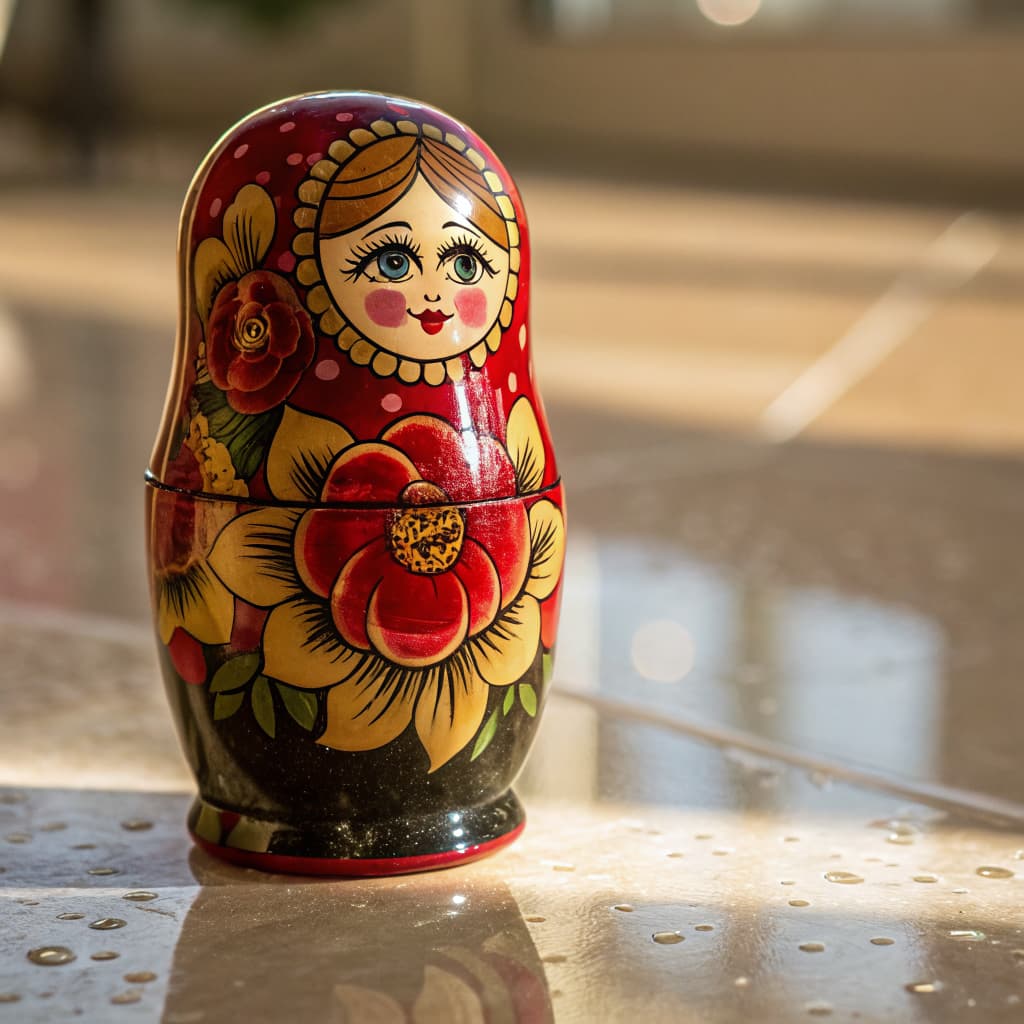
Polished Finish
Polished finishes use multiple coats of glossy lacquer that give the dolls a luminous, reflective appearance. This finish is often used for dolls depicting modern or whimsical characters, as well as decorative display pieces. The lacquer also serves a protective function, preserving the painted surface for decades.